
How to Care for Printed Art Fabric: Wash, Dry & Store
Table of Contents
- What You'll Need to Care for Printed Art Fabric
- How to Wash Screen Printed Shirts Without Cracking
- Drying Techniques That Protect Prints and Color
- How to Remove Stains from Printed Fabric
- How to Store Art-Printed Textiles for Long-Term Preservation
- Handling Delicate Embroidery and Block Print Details
- Fabric-Specific Care: Natural Fibers vs. Synthetic Textiles
- Troubleshooting Common Print Damage Issues
- Frequently Asked Questions
Last Updated: September 22, 2026
What You'll Need to Care for Printed Art Fabric
At This Artists Dream, we build apparel around visionary artwork by David Heatwole, so we know exactly what a print endures in a home washer. The good news: caring for printed art fabric comes down to a short list of supplies and a few habits.

Here's what to keep on hand:
- pH neutral soap or mild detergent, never bleach
- A soft-bristle brush for spot work
- White cotton cloths for blotting
- A drying rack or flat drying surface
- Cool water, always
How to Wash Screen Printed Shirts Without Cracking
The best way to wash printed art fabric without cracking is to turn them inside out, use cold water, and keep heat out of every step. Heat is what breaks down the print layer that sits on top of the fabric. Cold water and low agitation protect it.
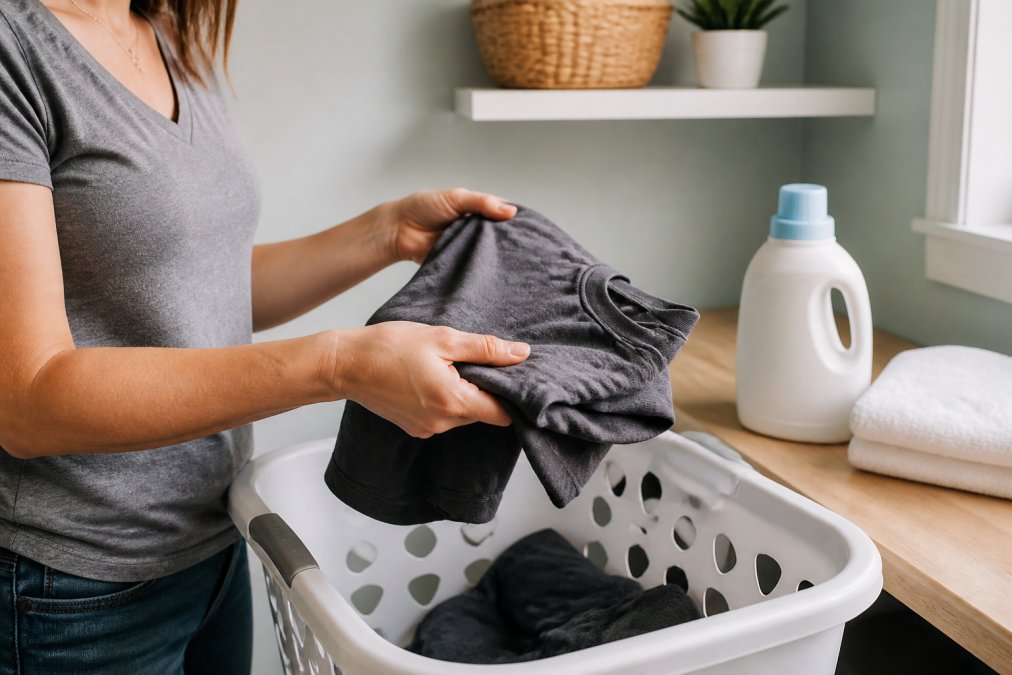
Follow these steps:
- Turn the garment inside out to shield the print from friction
- Use a mild detergent made for delicate fabrics
- Select a delicate cycle or wash by hand
- Skip the dryer completely
- Air dry away from direct sunlight
Water Temperature and Detergent Choices
Cold water is the single most important setting. Warm or hot water softens the ink and speeds up fading. A mild detergent with a neutral pH cleans without stripping dye.
Avoid:
- Bleach of any kind
- Detergents with added brighteners
- Fabric softener and dryer sheets
Hand Wash vs. Delicate Cycle
Hand washing is gentler, but a delicate cycle works fine for most garments. Use a mesh laundry bag to cut mechanical agitation. Never wring the fabric; squeeze water out gently instead.
Drying Techniques That Protect Prints and Color
Air drying is the safest method for any printed textile. Lay the garment flat or hang it in shade. Direct sunlight fades reactive dyes and breaks down fiber integrity over time, so keep pieces out of harsh light.
A few rules that matter:
- Never tumble dry a printed piece
- Avoid wringing or twisting to remove water
- Reshape the garment while damp
- Dry in shade, not full sun
How to Remove Stains from Printed Fabric
The fastest way to remove stains from printed fabric is to blot, not rub, and treat the spot from the back of the fabric. Rubbing pushes dye and ink around and can smear the design. But the method that works on a grease spot will ruin a protein stain. Stain chemistry matters as much as the print type.
Match the Treatment to the Stain
Work from the least aggressive method first, and always test on an inside seam.
| Stain | First Treatment | What to Avoid |
|---|---|---|
| Grease or oil | A drop of mild dish soap worked in with fingertips, then cool rinse | Hot water, which sets the oil |
| Protein (blood, egg, dairy) | Cool water flush from the underside, then pH neutral soap | Hot water or heat, which coagulates protein into the fiber |
| Tannin (coffee, tea, wine) | Cool water, then a diluted pH neutral soap; blot repeatedly | Rubbing, which spreads tannin outward |
| Ink or marker | Isopropyl alcohol on a white cloth, dabbed from the back | Scrubbing, which drives ink deeper into the print layer |
| Deodorant or antiperspirant | Cool water and mild soap; a soft-bristle brush on the residue | Bleach, which yellows aluminum-based residue |
| Grass or mud | Cool water flush first, then pH neutral soap | Hot water, which sets chlorophyll |
Work in This Order
- Blot the stain with a clean white cloth, white so no dye transfers back onto the print
- Mix a drop of pH neutral soap with cool water
- Dab the spot from the underside of the fabric so you push the stain out, not through
- Rinse with cool water
- Air dry and check before repeating, heat from a dryer will set anything you missed
Repeat the cycle rather than increasing pressure. Most fresh stains lift in two or three passes. Older stains may need the soap to sit for a few minutes before rinsing.
Spot Cleaning with a Damp Cloth
A damp cloth and a little mild soap handle most fresh marks. Press gently; don't scrub. For older stains, let the soap sit for a few minutes before rinsing.
David Heatwole Particles Sublimation →
When a Stain Is Not Worth Chasing
Some stains are permanent on printed art fabric, and aggressive treatment does more damage than the mark itself. Bleach-based stain removers, oxygen boosters with high pH, and enzyme cleaners designed for white cotton can all degrade the print binder or shift dyes. If a stain has survived two gentle cycles, the safer choice is often to live with it rather than risk cracking or color loss across the whole design.
How to Store Art-Printed Textiles for Long-Term Preservation
The best way to store art-printed textiles is flat, clean, and out of light. Fold garments with acid-free tissue between layers, and keep them in a cool, dry place. Moisture and heat are the two biggest threats to long-term preservation. But if you want a printed piece to survive decades rather than seasons, the details that matter are the ones most guides skip: what the storage material is made of, how humid the space stays, and how often you refold.
Why Archival Storage Is Different
The goal is a stable, breathable, pH neutral environment.
Storage Checklist
- Wash and fully dry before storing, any residual soil or body oil attracts pests and accelerates yellowing
- Fold with acid-free tissue paper between layers, not newspaper or colored tissue
- Store in a breathable cotton or muslin bag, or an acid-free textile box
- Keep away from direct sunlight and fluorescent light, both of which fade dyes
- Avoid damp basements and hot attics, aim for a stable, moderate temperature and low humidity
- Keep away from exterior walls, pipes, and concrete floors, which wick moisture
For pieces you want to keep in archival quality, avoid wire hangers and plastic bins. Both trap moisture and crease prints. Wire hangers also concentrate stress on one point of the shoulder, which distorts the cut over years.
Humidity, Temperature, and Light
A closet on an interior wall is usually a better choice than a garage, attic, or basement.
Refolding and Inspection
Creases become permanent over time, and a fold line that sits in the same place for years can crack a print layer. Refold stored pieces once or twice a year along different lines, and inspect for pests, moisture, or color shift while you have them out. Handle with clean, dry hands or nitrile gloves, skin oils transfer to fabric and attract soil.
Storing Different Fabric Types
- Polyester and sublimation prints: more colorfast but still vulnerable to heat and plasticizer migration from vinyl or PVC storage materials
Handling Delicate Embroidery and Block Print Details
Block print and embroidery both respond well to cool water and gentle handling. Heat and friction are what damage them.
Fabric-Specific Care: Natural Fibers vs. Synthetic Textiles
Synthetic textiles behave differently in the wash, and the print reacts to each one. Polyester and spandex hold shape and dry fast but trap heat against the print.
| Fabric Type | Water Temp | Dry Method | Watch For |
|---|---|---|---|
| Cotton | Cold | Air dry flat | Shrinking, fading |
| Linen | Cold | Air dry flat | Wrinkling, creasing |
| Polyester | Cold | Hang dry | Heat setting ink |
| Spandex blend | Cold | Lay flat | Stretching out |
Troubleshooting Common Print Damage Issues
Most print damage is fixable or preventable once you know the cause. Cracking, fading, and peeling each point to a specific habit to change.
- Cracking: caused by heat and dryer tumbling. Switch to air drying.
- Fading: caused by direct sunlight and harsh detergent. Use mild soap and dry in shade.
- Peeling: caused by fabric softener and high heat. Remove both from your routine.
- Color bleeding: caused by warm water and mixing colors. Wash separately in cold water.
Frequently Asked Questions
Is digitally printed fabric good quality?
Digital printing bonds dye directly into the fabric fibers, so the print becomes part of the textile rather than sitting on top of it. This means the design resists cracking and peeling better than some surface-printed methods. Quality still depends on the fabric base and how you care for it. Washing printed art fabric inside out in cool water and air drying keeps colors vivid and prevents fading over time.
Can you iron directly on printed fabric?
Never place a hot iron directly on a print. The heat can melt the ink, cause it to stick to the iron, or create a shiny scorch mark. Instead, turn the garment inside out and iron the back of the fabric, or place a clean cotton pressing cloth over the print and use the lowest steam setting.
How do you prevent fading on printed art fabric?
Wash in cool water with a pH neutral soap or mild detergent, and skip bleach entirely. Turn garments inside out before washing to reduce mechanical agitation on the print surface. Air dry away from direct sunlight, since UV exposure breaks down reactive dyes faster than anything else. For storage, keep textiles in a dark, dry place. These steps preserve color fastness and fiber integrity for years.
How to remove stains from printed fabric without damaging the print?
Act fast. Blot the stain with a clean damp cloth using gentle pressure, working from the outside edge inward so you do not spread it. For oil-based marks, a drop of pH neutral soap on a damp cloth usually lifts them. Avoid scrubbing, bleach, and fabric softener, all of which break down print binders. If the stain persists, hand wash the whole piece in cool water and lay flat to dry.